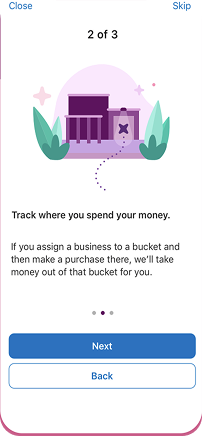
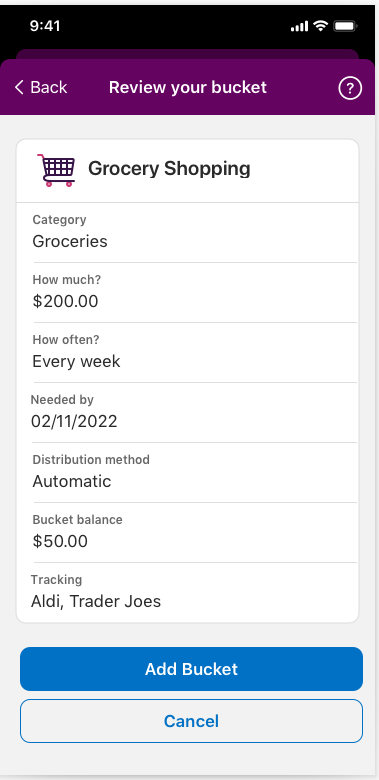
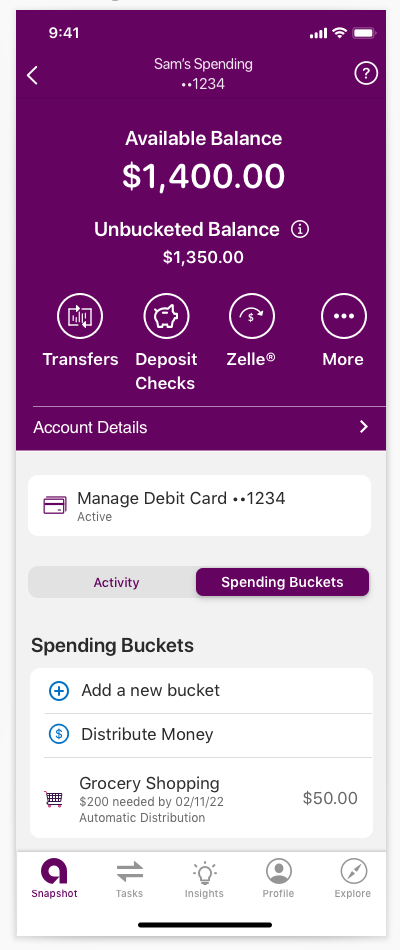
Onboarding / mental model
Call out a feature, benefit, or value that can stand on its own.
→
Hi, Recruiter I’m Tyrice Hicks 👋🏾



Spending Buckets
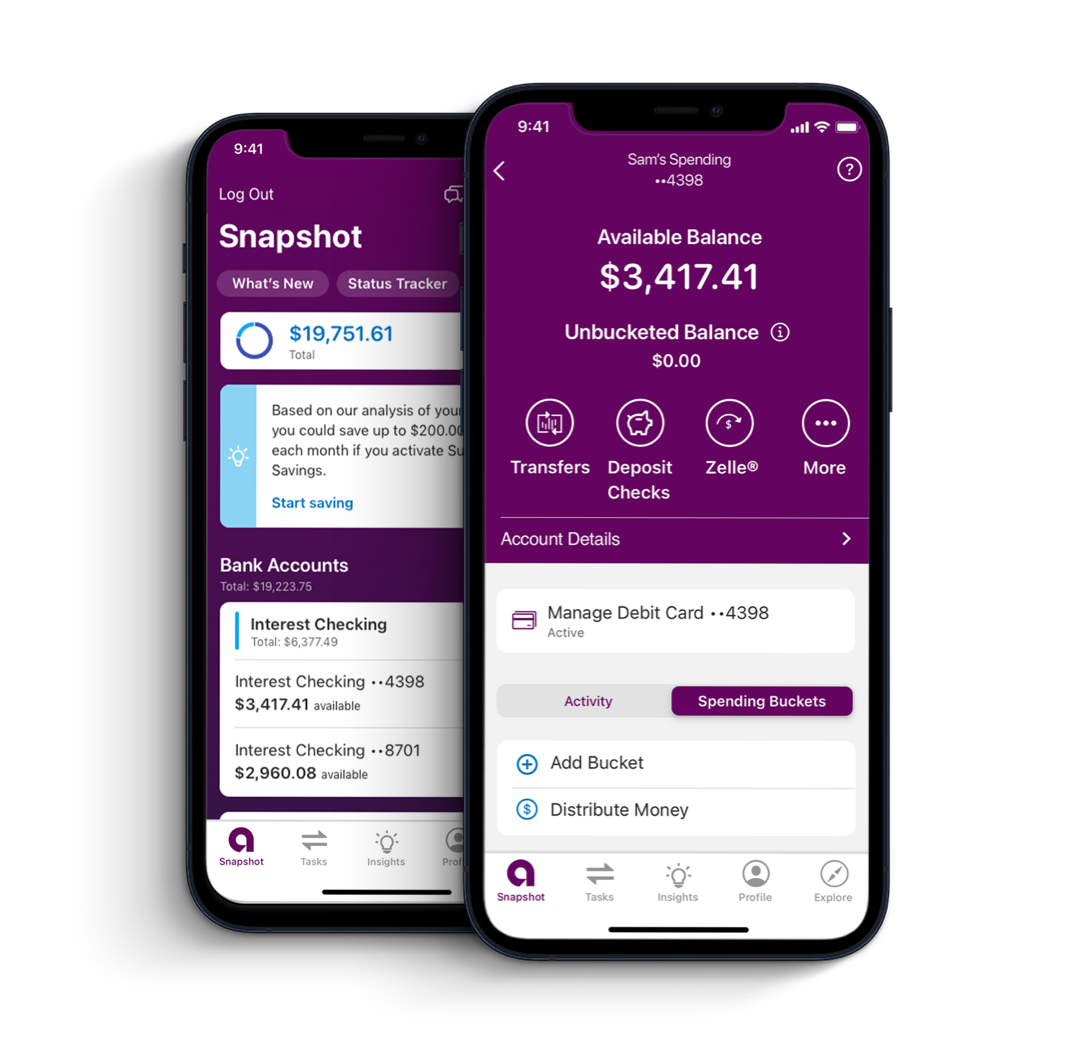
Spending Buckets is a checking-account feature that helps users plan everyday expenses by earmarking money for upcoming costs, making future spending visible, predictable, and less stressful.
Role
Mobile Product Designer
Tools/ Skills
Figma · User research · Prototyping
Duration
February 2021 - April 24, 2023
Overview
Spending Buckets is a checking-account feature designed to help customers plan everyday expenses with confidence by making future spending visible and predictable without forcing rigid budgeting.
At Ally, many customers understood how to save, but struggled to manage money once it entered their checking account. Real-time transactions, overdraft rules, and timing mismatches made balances feel unpredictable, leading to anxiety, support volume, and disengagement. The challenge wasn’t a lack of tools it was a lack of clarity.
I led the end-to-end design of Spending Buckets, a 0→1 feature that allows customers to earmark money for recurring expenses like rent, groceries, or utilities using targets and due dates directly within their spending account. The core design decision was to prioritize progressive disclosure over forced budgeting, allowing users to build trust before introducing automation or constraints.
My work spanned problem framing, research synthesis, interaction modeling, onboarding strategy, and core flows across mobile and web. Throughout the project, I partnered closely with product, engineering, and compliance to balance usability with real-world financial risk.
Rather than optimizing for feature usage, Spending Buckets was designed to support behavior change, helping users understand what money is set aside and what remains available at any moment. The result is a scalable financial experience that reduces uncertainty, encourages intentional spending, and integrates seamlessly into everyday banking.
Inside the Work
🧭 Prelude: Setting the Stage
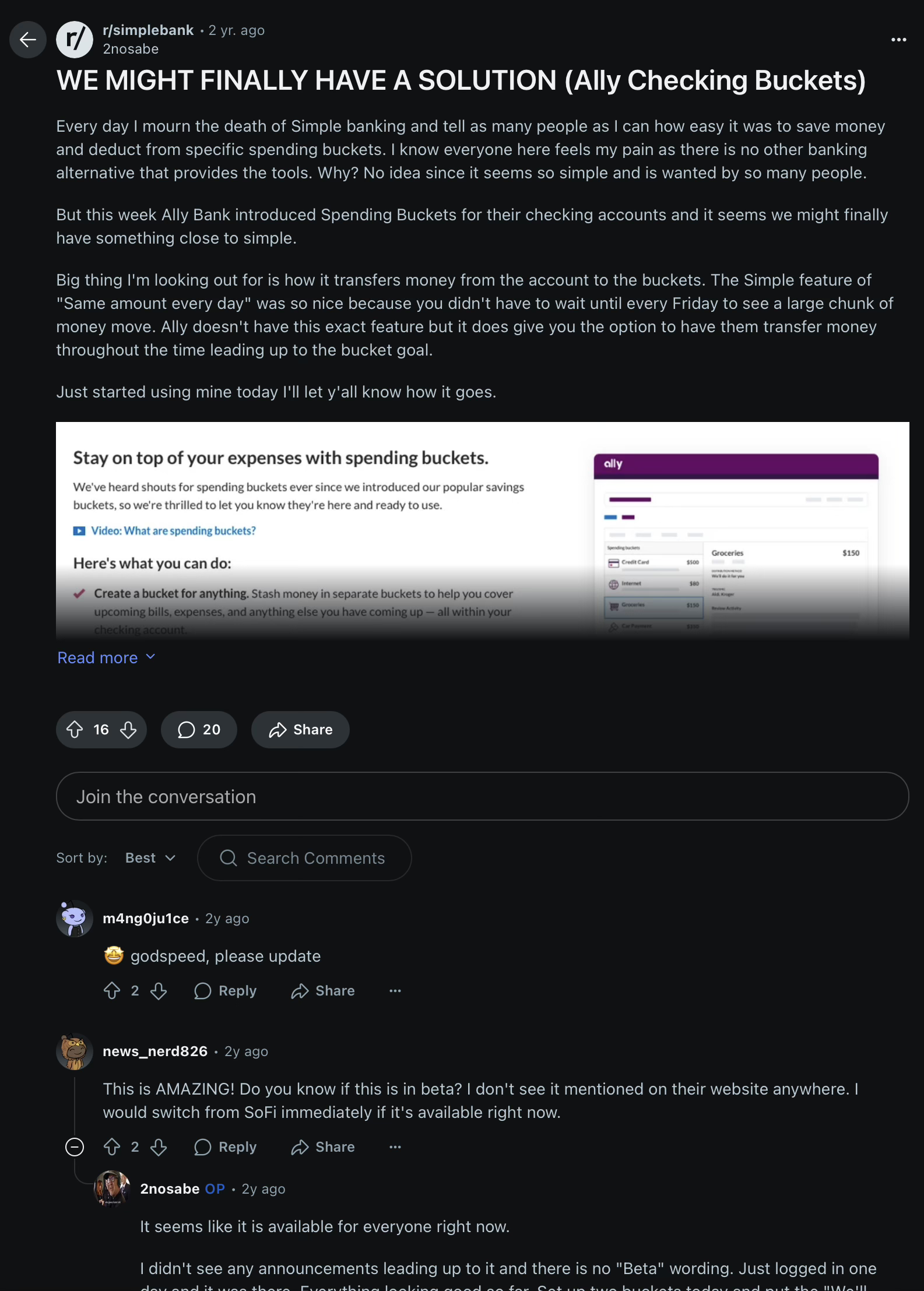
The world was shifting. People wanted clarity in chaos. Ally Bank had already given them a glimpse of order through "Savings Buckets"—a small revolution in how customers organized their money. But something deeper was stirring. Customers weren’t just saving—they were surviving. They needed a system to make sense of the mess—the bills, the subscriptions, the grocery trips that bleed the budget dry before goals even stand a chance.
Enter Spending Buckets. An idea born in the lab. Dormant. Half-formed. Full of potential.
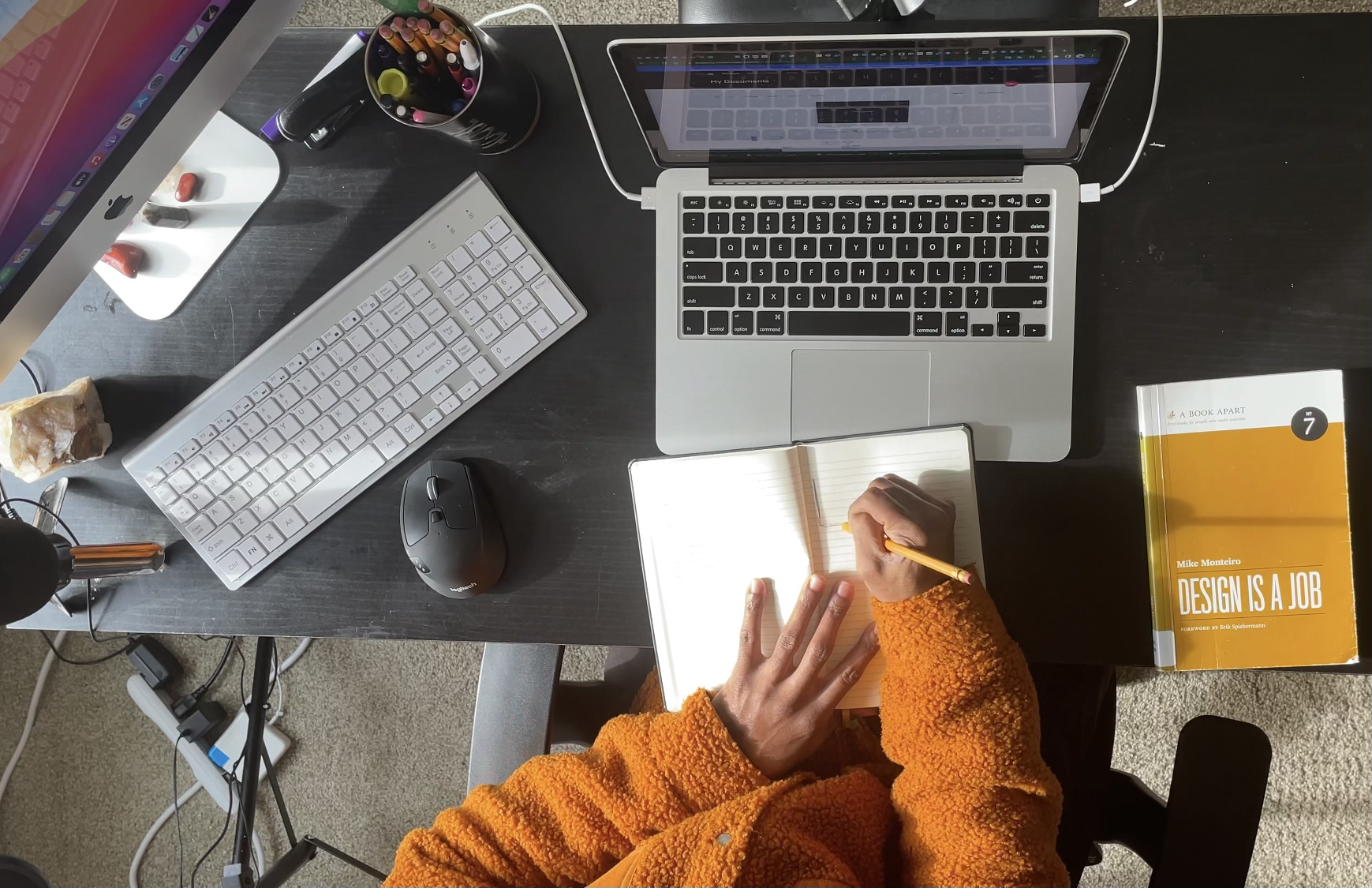
I entered this story during the height of the pandemic, working remotely out of Charlotte, NC. I was a junior UX designer—quiet but attentive, watchful. Over time, I would lead the vision—transforming this scrappy concept into a flagship feature that stitched together ambition, architecture, and empathy.
Uncovering User Pain
❗️The Problem
Most budgeting tools feel like control. This needed to feel like freedom.
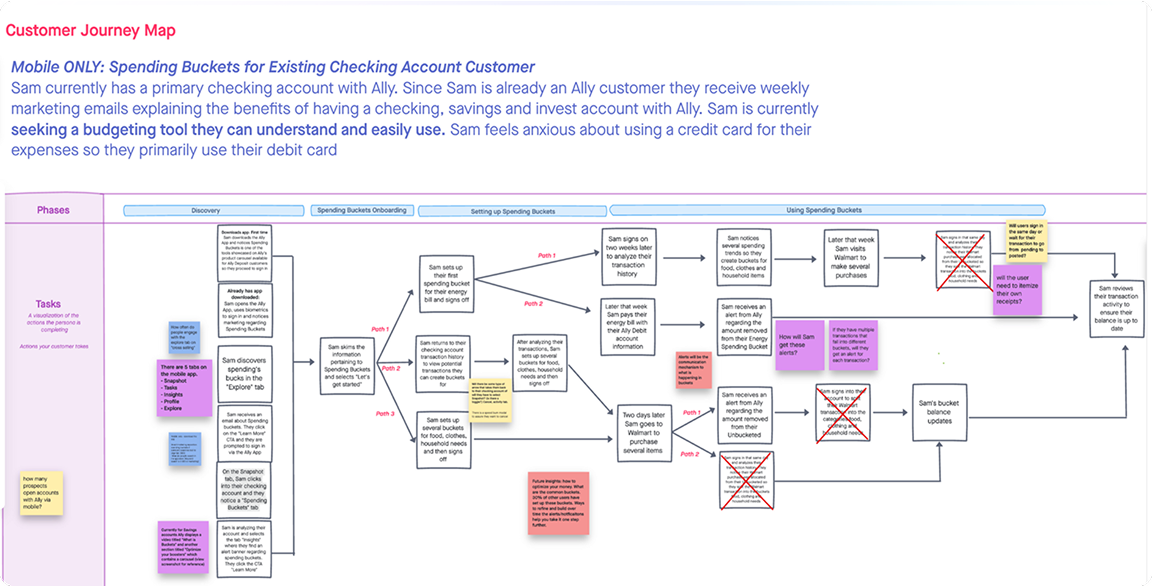
We met users like Sam—a 30-year-old administrative assistant juggling bills and burnout. They weren’t looking for spreadsheets disguised as apps. They were seeking something human. A tool that spoke in visuals, guided with warmth, and didn't demand a finance degree to understand.
Behind every overdraft was shame. Behind every subscription was anxiety. The core question: Could we design a way to restore financial agency without sacrificing simplicity?
Call out a feature, benefit, or value that can stand on its own.
Call out a feature, benefit, or value that can stand on its own.
Call out a feature, benefit, or value that can stand on its own.
The System
Eyebrow text to label this content
Meet Sofia and her budgeting hack.
Sofia spends $1,600 on rent each month. In her Spending Account, she creates a bucket and names it (you guessed it) Rent. She sets a target amount of $1,600 and a due date of the first of the month, when her landlord expects payment.
Now, every time Sofia gets paid, she can transfer some cash into her Rent bucket. That way, when the first of the month rolls around, she knows exactly how much she has set aside for rent. No more worrying about late fees or coming up short. And the best part? With her rent covered, Sofia feels more in control of her finances. She knows exactly how much she has left over to spend or save, so she can plan the rest of her month with confidence.
Our spending buckets are like having a budgeting sidekick right in your account. You can set up alerts and even automate transfers, so you don't forget to fill the bucket every month.
Eyebrow text to label this content
Trade-offs & Constraints
Design Solutions
Research → Key Tensions
Keep your tensions:
Design That Delivered
✅ Strategy
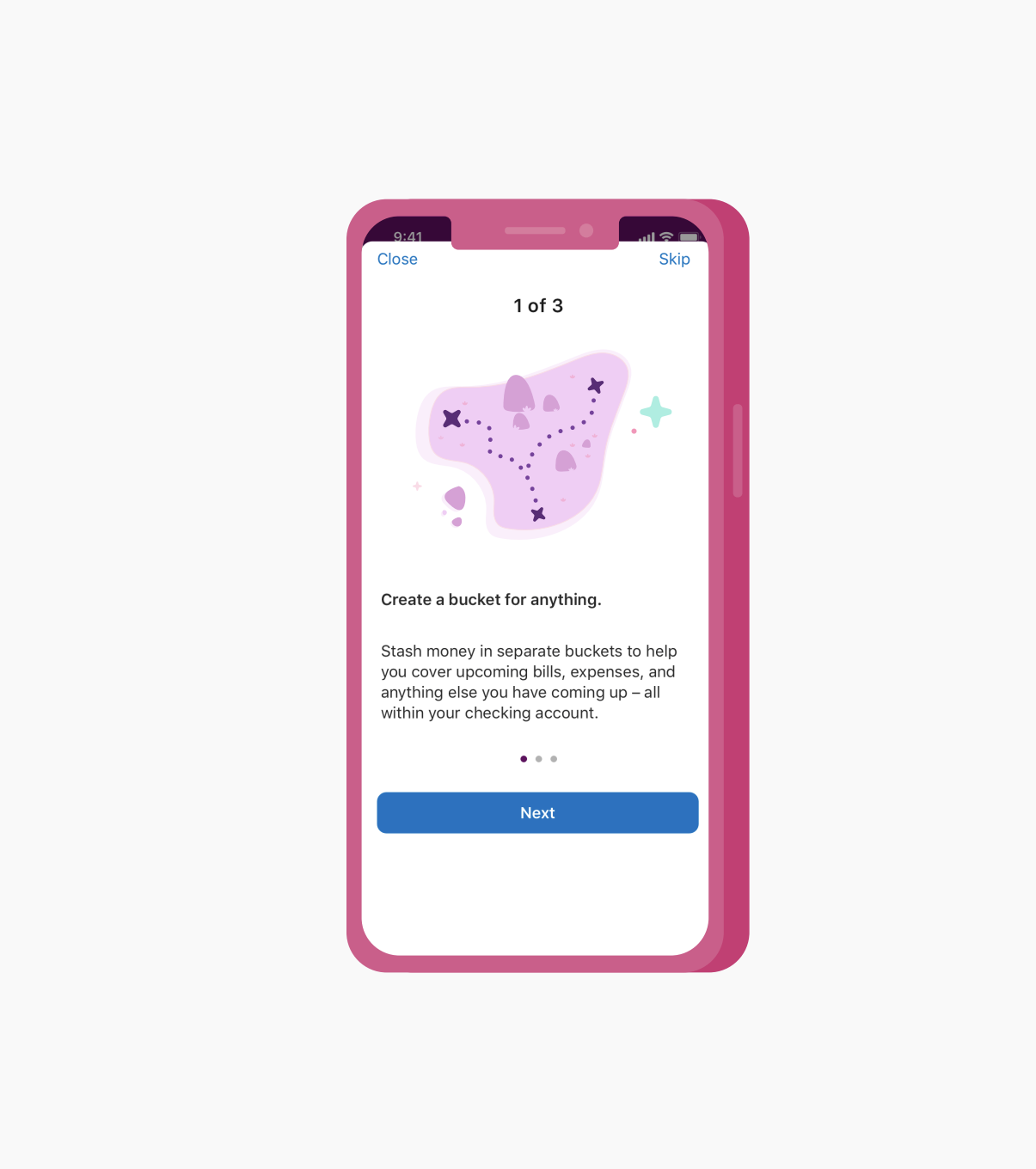
We framed buckets as money you protect, not money you restrict—reducing anxiety and helping users build trust before committing funds.
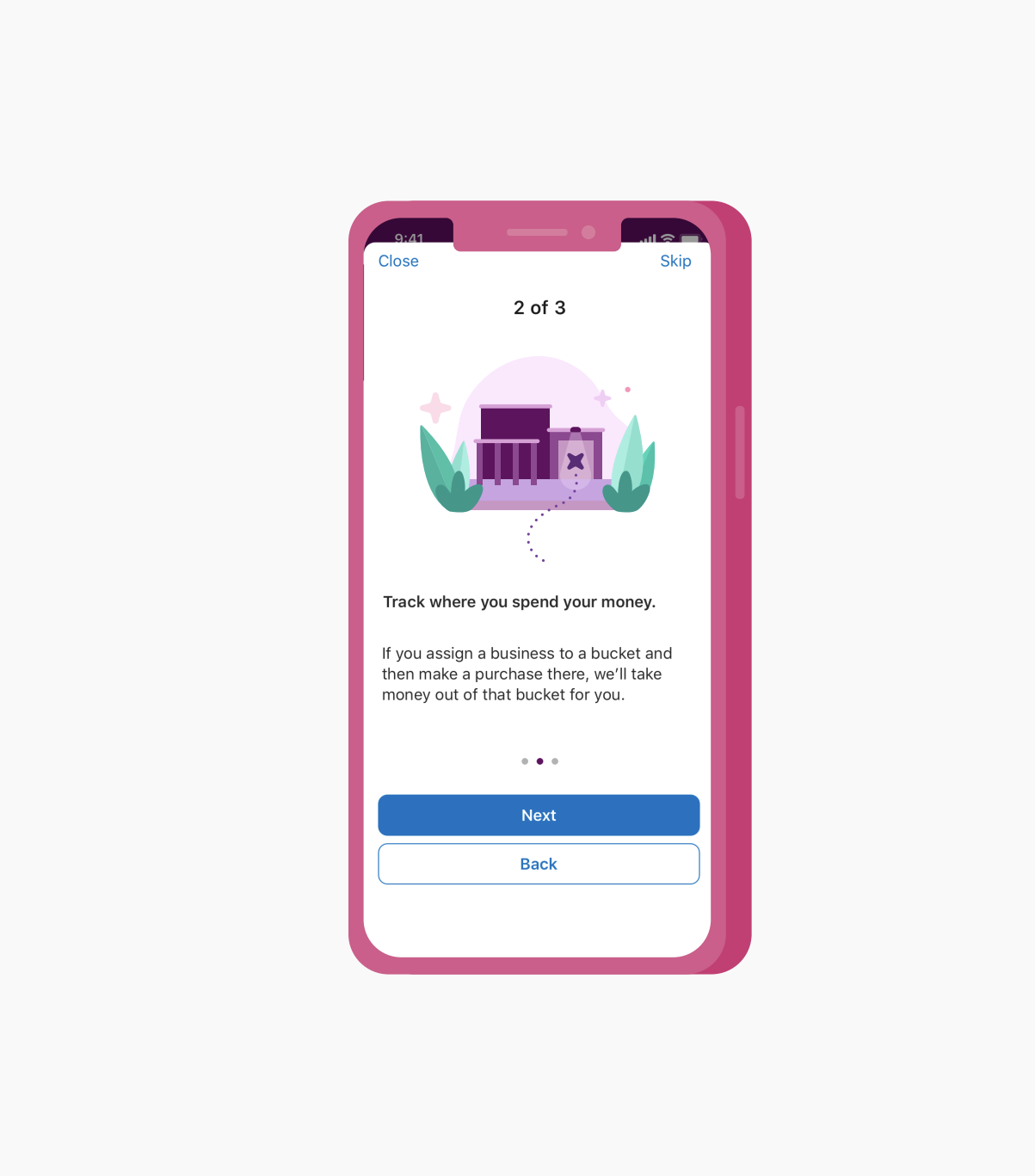
By asking users to name a bucket and set a cadence, we turned abstract budgeting into concrete intent, increasing clarity and follow-through.
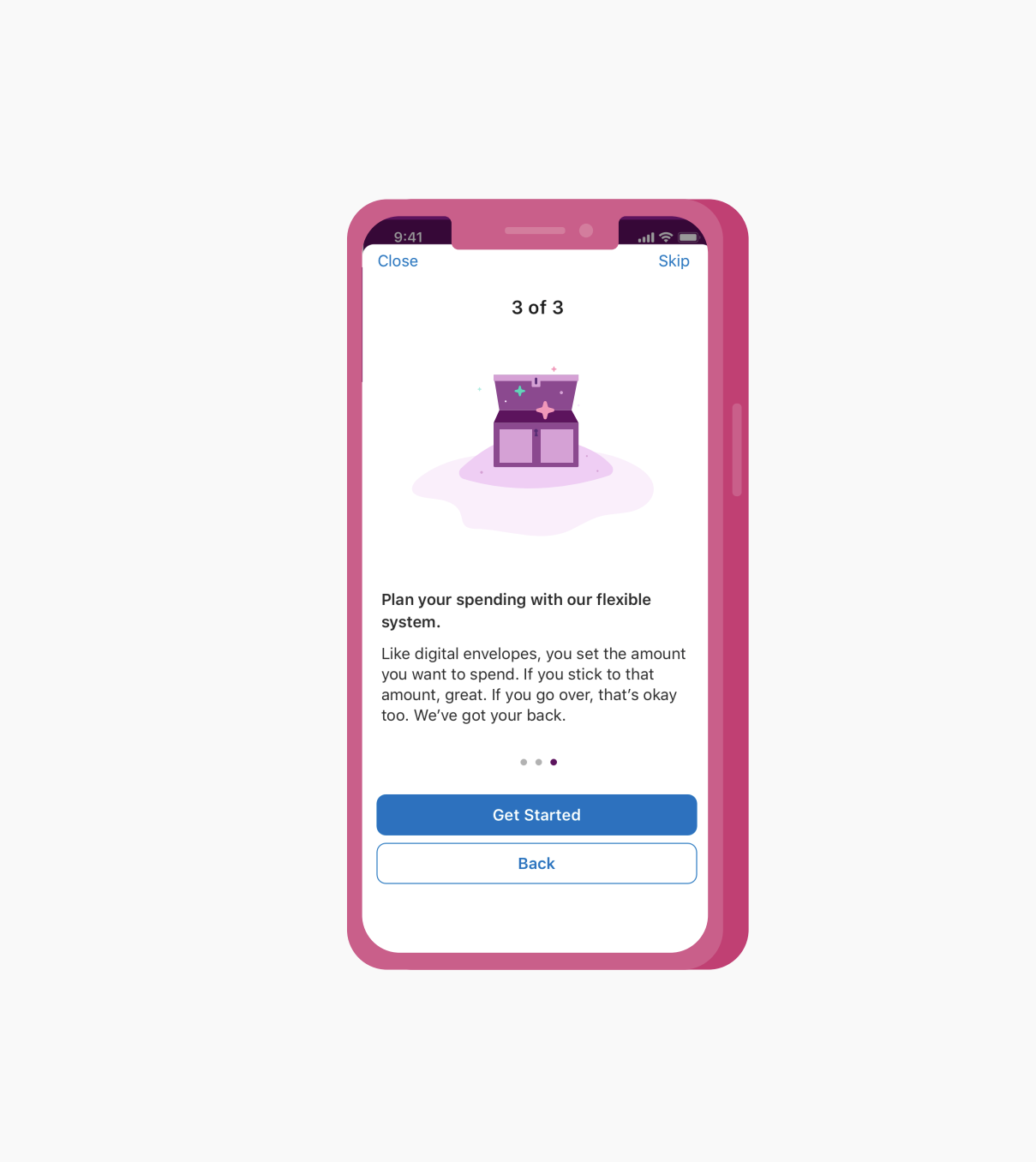
Separating “set aside” from “available” clarified what was safe to spend while preserving flexibility, avoiding the friction of hard limits.
Eyebrow text to label this content
Impact & Validation
2.5M
users
+25% adoption
adoption
14.2% new account growth
new account growth
Testimonials
Here’s what people are saying in the app store about Spending Buckets
Eyebrow text to label this content
🧠 Reflection & Senior Impact
Users don’t want control. They want confidence.
What Worked:
If I Could Rewind Time:
Eyebrow text to label this content
🎉 Final Product
View demo
View Demo
Secondary
Design System & Brand Alignment (Supporting)

Other Projects
TYRICE HICKS
Spending Buckets
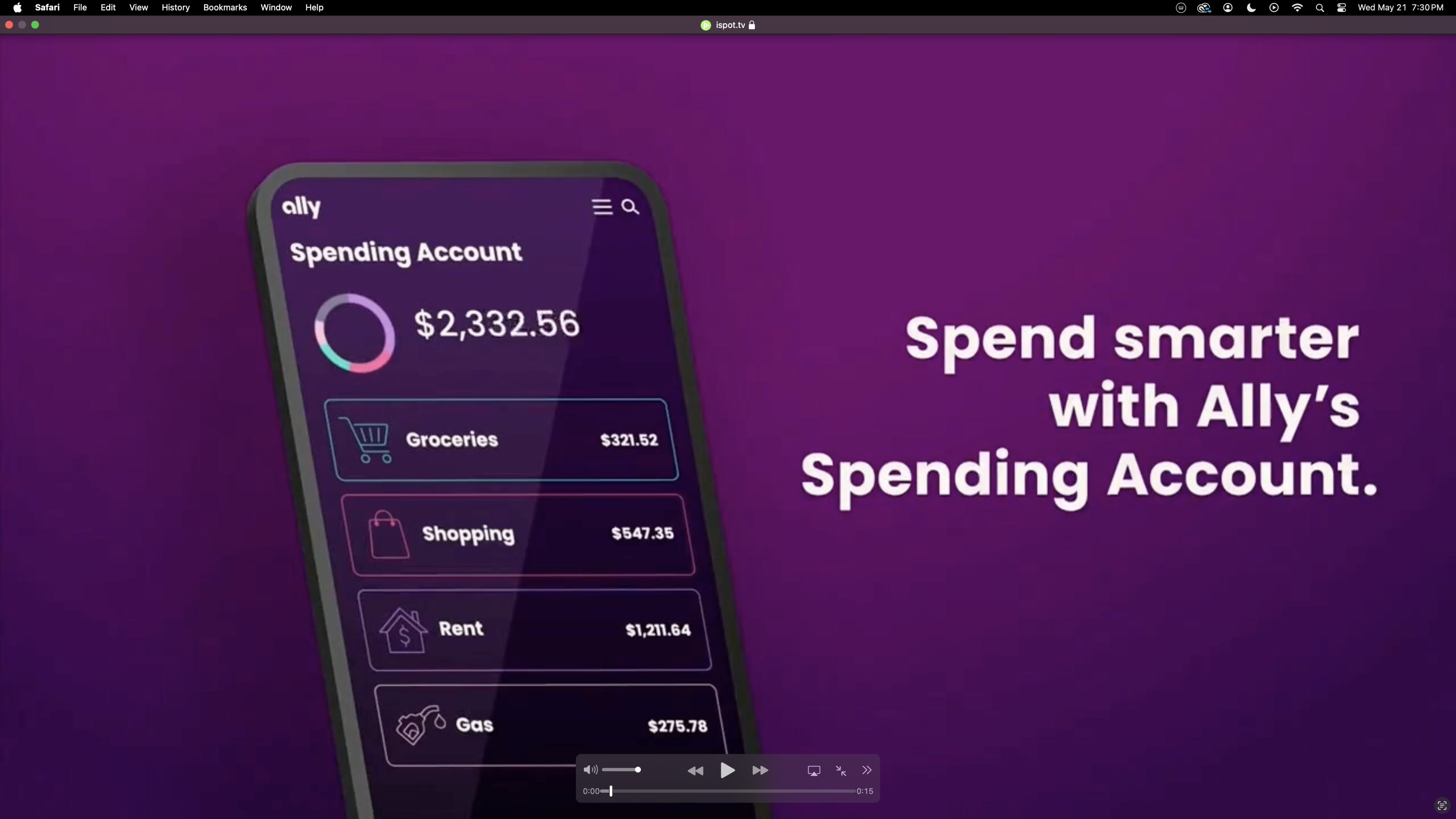
Spending Buckets is a checking-account feature that helps users plan everyday expenses by earmarking money for upcoming costs, making future spending visible, predictable, and less stressful.
Role
Mobile Product Designer
Tools/ Skills
Figma · User research · Prototyping
Duration
February 2021 - April 24, 2023
Overview
Spending Buckets is a checking-account feature designed to help customers plan everyday expenses with confidence by making future spending visible and predictable without forcing rigid budgeting.
At Ally, many customers understood how to save, but struggled to manage money once it entered their checking account. Real-time transactions, overdraft rules, and timing mismatches made balances feel unpredictable, leading to anxiety, support volume, and disengagement. The challenge wasn’t a lack of tools it was a lack of clarity.
I led the end-to-end design of Spending Buckets, a 0→1 feature that allows customers to earmark money for recurring expenses like rent, groceries, or utilities using targets and due dates directly within their spending account. The core design decision was to prioritize progressive disclosure over forced budgeting, allowing users to build trust before introducing automation or constraints.
My work spanned problem framing, research synthesis, interaction modeling, onboarding strategy, and core flows across mobile and web. Throughout the project, I partnered closely with product, engineering, and compliance to balance usability with real-world financial risk.
Rather than optimizing for feature usage, Spending Buckets was designed to support behavior change, helping users understand what money is set aside and what remains available at any moment. The result is a scalable financial experience that reduces uncertainty, encourages intentional spending, and integrates seamlessly into everyday banking.
Call out a feature, benefit, or value that can stand on its own.
Call out a feature, benefit, or value that can stand on its own.
Call out a feature, benefit, or value that can stand on its own.
The System
Inside the Work
🧭 Prelude: Setting the Stage
The world was shifting. People wanted clarity in chaos. Ally Bank had already given them a glimpse of order through "Savings Buckets"—a small revolution in how customers organized their money. But something deeper was stirring. Customers weren’t just saving—they were surviving. They needed a system to make sense of the mess—the bills, the subscriptions, the grocery trips that bleed the budget dry before goals even stand a chance.
Enter Spending Buckets. An idea born in the lab. Dormant. Half-formed. Full of potential.
I entered this story during the height of the pandemic, working remotely out of Charlotte, NC. I was a junior UX designer—quiet but attentive, watchful. Over time, I would lead the vision—transforming this scrappy concept into a flagship feature that stitched together ambition, architecture, and empathy.
Uncovering User Pain
❗️The Problem
Real-time balances felt unpredictable
Overdraft rules were invisible
Anxiety → support volume → disengagement
Design Solutions
Research → Key Tensions
Keep your tensions:
Design That Delivered
✅ Strategy
We framed buckets as money you protect, not money you restrict—reducing anxiety and helping users build trust before committing funds.
By asking users to name a bucket and set a cadence, we turned abstract budgeting into concrete intent, increasing clarity and follow-through.
Separating “set aside” from “available” clarified what was safe to spend while preserving flexibility, avoiding the friction of hard limits.
Eyebrow text to label this content
Sofia spends $1,600 on rent each month. In her Spending Account, she creates a bucket and names it (you guessed it) Rent. She sets a target amount of $1,600 and a due date of the first of the month, when her landlord expects payment.
Now, every time Sofia gets paid, she can transfer some cash into her Rent bucket. That way, when the first of the month rolls around, she knows exactly how much she has set aside for rent. No more worrying about late fees or coming up short. And the best part? With her rent covered, Sofia feels more in control of her finances. She knows exactly how much she has left over to spend or save, so she can plan the rest of her month with confidence.
Our spending buckets are like having a budgeting sidekick right in your account. You can set up alerts and even automate transfers, so you don't forget to fill the bucket every month.
Eyebrow text to label this content
Trade-offs & Constraints
Eyebrow text to label this content
Impact & Validation
2.5M
users
+25%
adoption
14.2%
new account growth
Testimonials
Here’s what people are saying in the app store about Spending Buckets
User-Centered Focus
How users explained buckets in their own words
Eyebrow text to label this content
🧠 Reflection & Senior Impact
Users don’t want control. They want confidence.
What Worked:
If I Could Rewind Time:
Eyebrow text to label this content
🎉 Final Product
View demo
View Demo
Try Spending Buckets
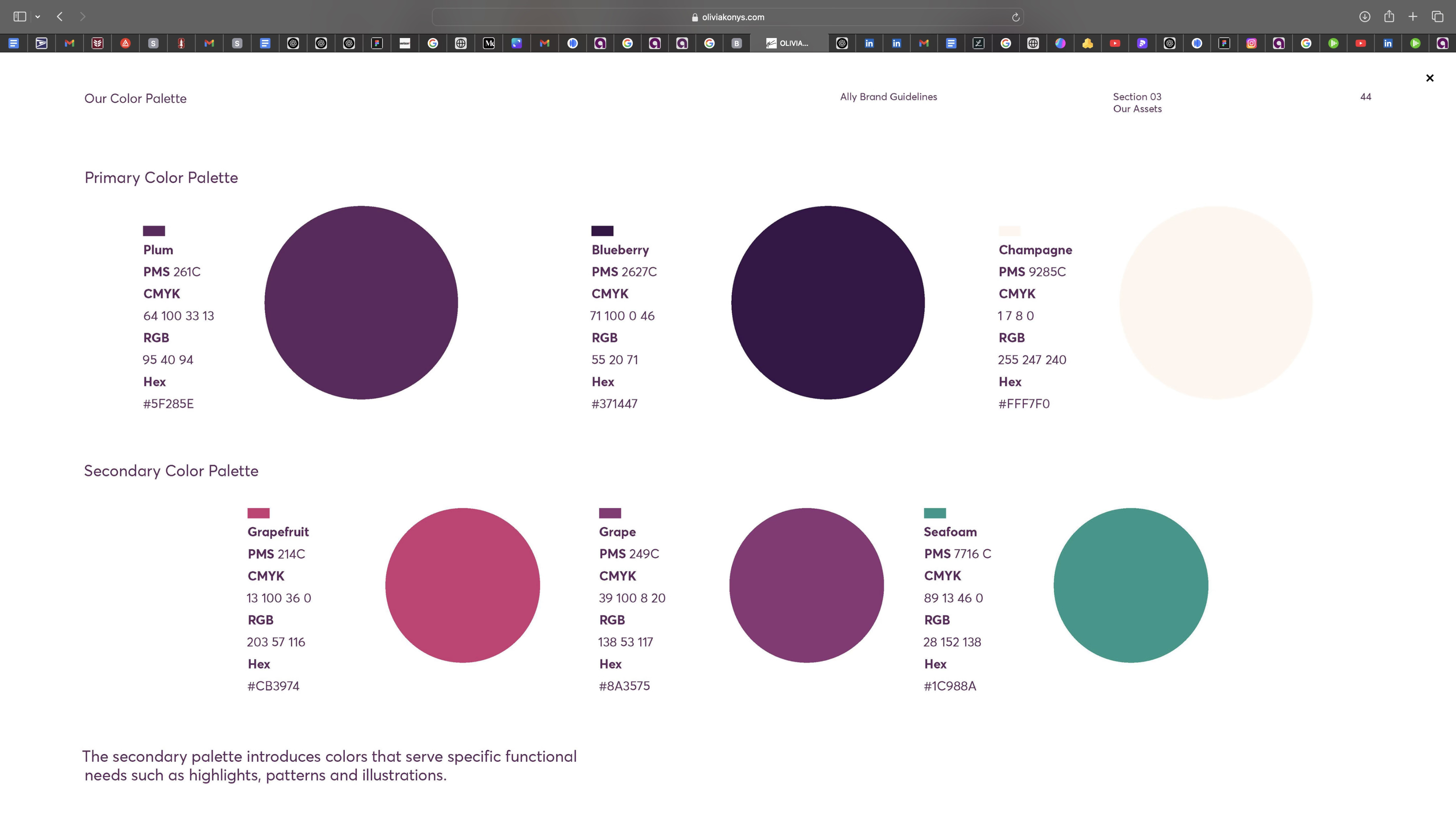
Design System & Brand Alignment (Supporting)

Other Projects
TYRICE HICKS